Home » North Island » Bay of Plenty » Tauranga » Te Puna Quarry Park Walk
| Distance | 2.5 km loop |
| Time | 1 to 1.5 hours |
| Difficulty | Easy to moderate |
| Route | Loop |
| Elevation gain | 180 m |
| Dogs | Yes, on a leash |
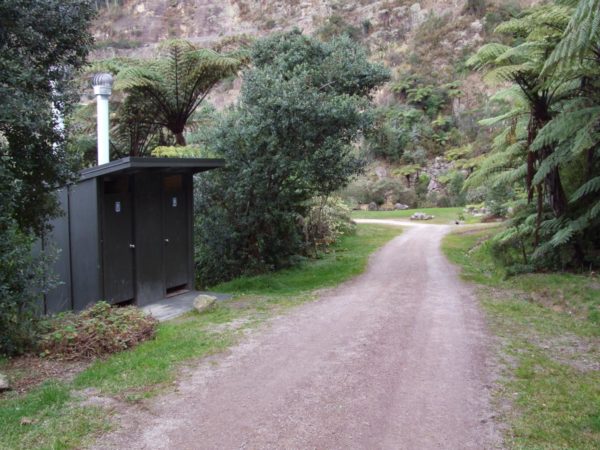
| Toilets | Yes, near the car park |
| Parking | Yes, large car park |
| Entry | Free, donations welcome |
| Mobile coverage | Yes |
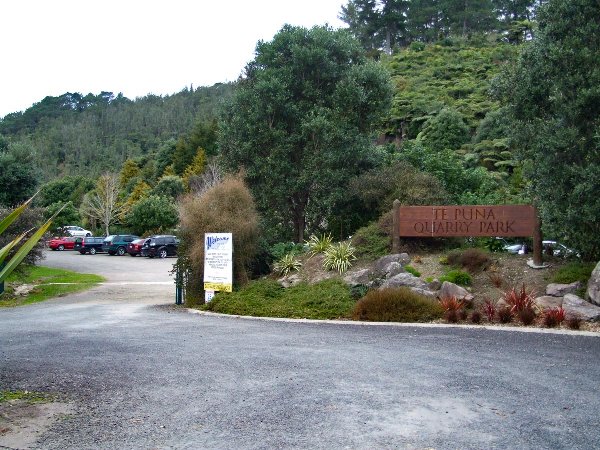
The park is at 110 Te Puna Quarry Road, off State Highway 2, about 15 km west of Tauranga near Te Puna. Take the Te Puna Quarry Road turn-off from SH2, it’s well signposted. The road into the park is about 1 km long. There’s a large car park at the entrance with close to 100 spaces. Toilets are in the building near the car park.
Trailhead GPS: -37.7167, 176.0167
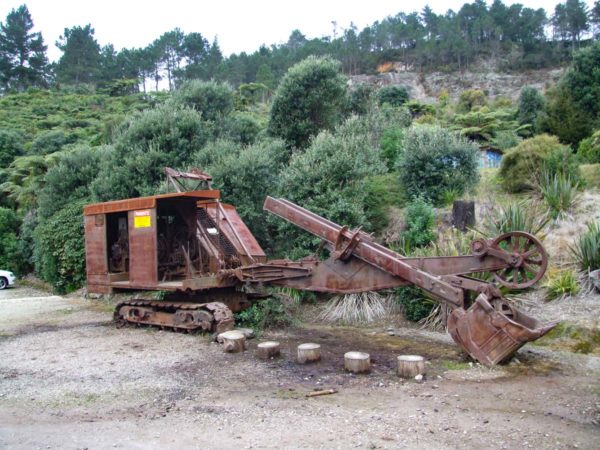
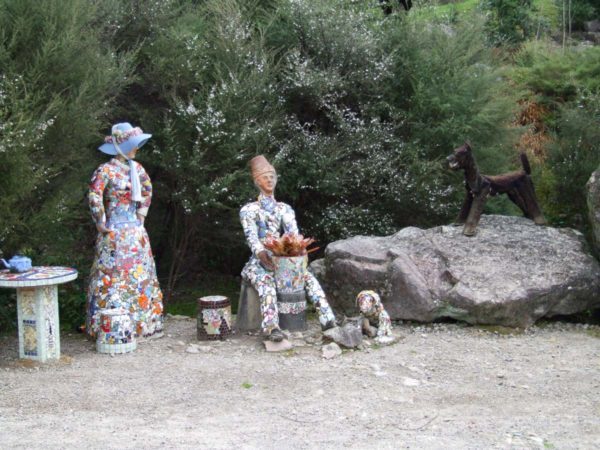
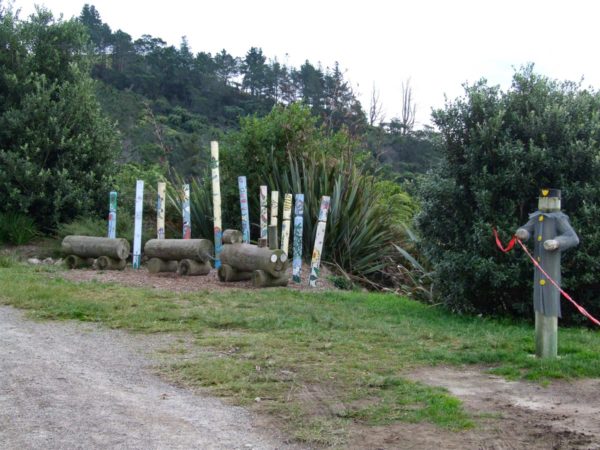
Grab a free guide map from the information kiosk at the entrance before you start, it marks all the sculptures and garden areas and is genuinely useful. From the car park, walk up past the old quarry digger on display, which gives you a good sense of what this place used to be. A track map is on the board nearby.
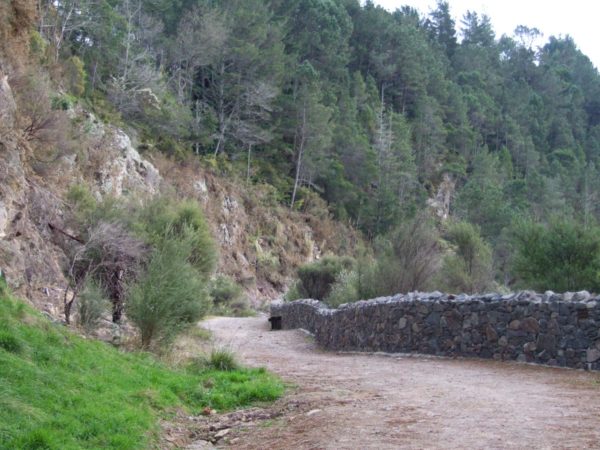
I’d recommend going anti-clockwise. The track to the right is very steep and much harder going down than up. Anti-clockwise gives you a gentler climb and a better descent.
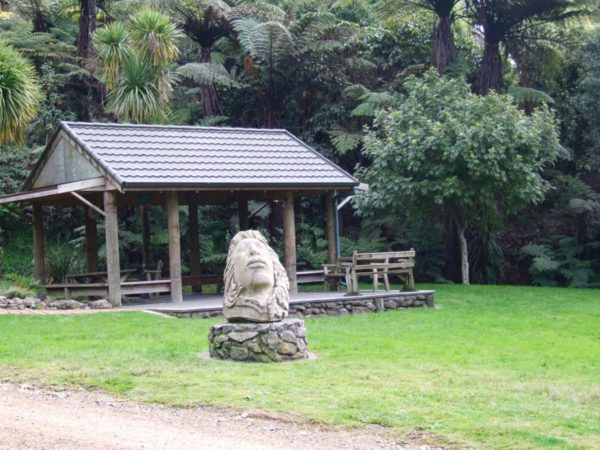
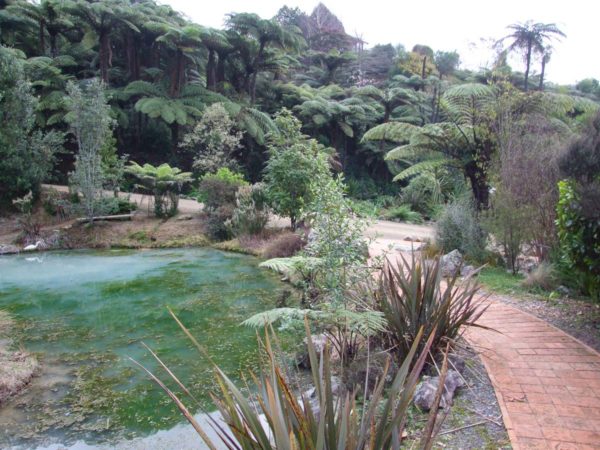
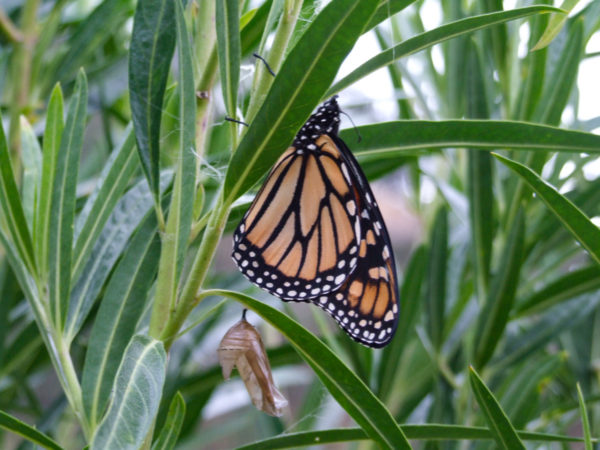
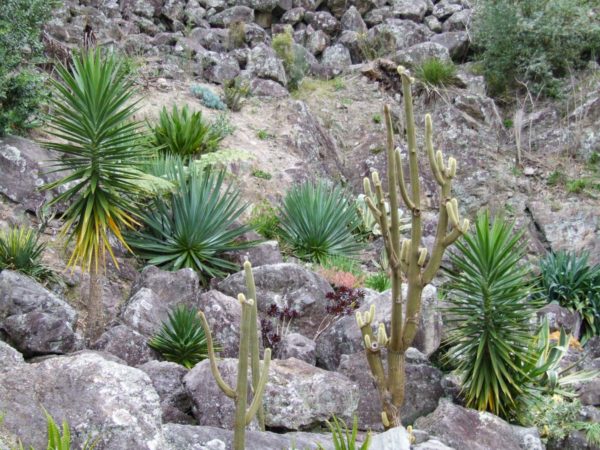
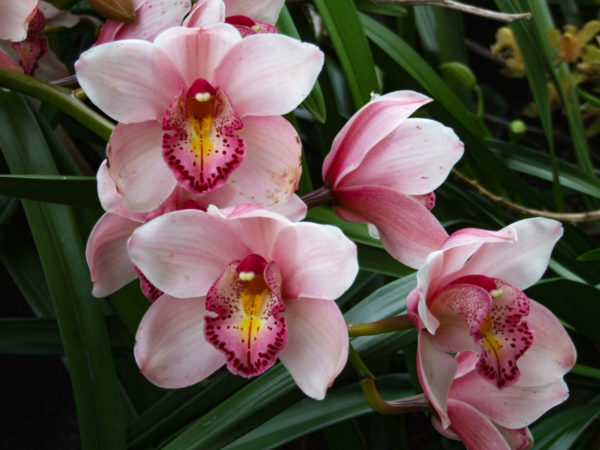
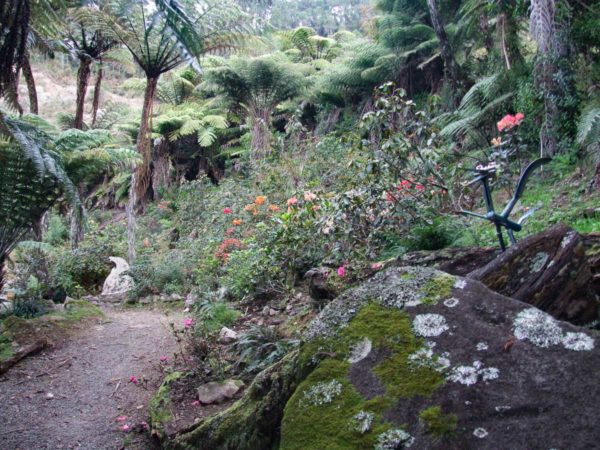
The lower and middle sections are the best part of the walk, there’s heaps to look at. Ponds with tree ferns around them, cymbidium orchids by the thousand, a waterwheel in the central garden area, a butterfly garden where monarchs and admirals fly free, and specialised areas for cacti and succulents, irises, bonsai, South African plants including African animal sculptures, an Australian area, native arboretum, hibiscus, herbs, and a palm grove. The musical wind instruments dotted along the track are a nice touch, you hear them before you see them.

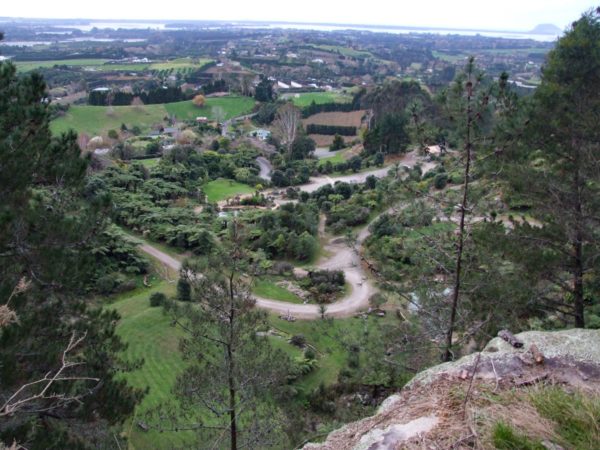
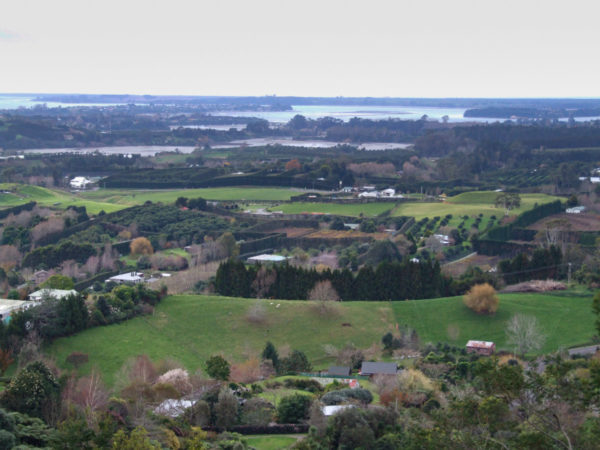
As you climb toward the top the plantings thin out and the track gets steeper with some steps. It’s worth pushing on for the views though, on a clear day you can see from the Coromandel ranges right across the Bay of Plenty. The top section can be slippery when wet so take it steady coming down.
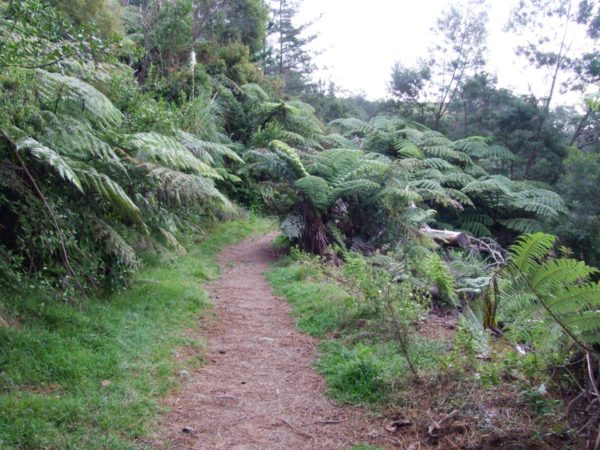
On the eastern side of the park there’s a native bush walk with a waterfall, though this is rain-dependent so don’t count on it in dry weather. The bush track has basic signposts and is a nice contrast to the manicured gardens.

The park is run entirely by volunteers and relies on donations. There’s a donation box at the gate and you can donate online via Give-A-Little. Free guide maps of the walking tracks are available at the information kiosk at the entrance.
The park is open every day of the year during daylight hours. If the main gates are closed when you arrive, the park is still open to pedestrians and you can park outside the gates.
If you’re bringing a dog, be aware that rabbit poison bait is regularly laid in the park, not on the tracks themselves but nearby. Keep dogs on a leash at all times and watch them closely as the poison can be fatal to dogs.
There’s no cafe on site so bring your own food. There are picnic areas throughout the park and plenty of good spots to stop. Stout footwear is recommended, especially if it’s been wet.
The park is also used as a wedding venue and hosts occasional events including an annual summer festival.